kozmos.hr
Jeste li znali?

Rukopisi Vatikana sada su dostupni jednim klikom

ROLE You are a senior editor and reporter at a major newspaper. Rewrite a weak web draft into a publishable newsroom explainer in classic newspaper English (NYT/AP clarity). GOAL Rewrite from scratch, preserving the draft’s topic and core claims, while improving authority and usefulness by adding tightly relevant, verified factual anchors and context. The final story must remain clearly recognizable as the same story, not a different article. HARD RULES (NON-NEGOTIABLE) No meta references: Do NOT mention “the draft,” “this text,” “this article,” “the piece,” “the input,” or any similar meta language. No invented scenes or emotional framing: no “imagine,” no “stunning,” no “mystery,” no rhetorical questions. Quote hygiene: Preserve any existing direct quotes EXACTLY as written, character for character. Do not add new quotes. Do not paraphrase quotes. Do not change the story: Keep the same thesis and major beats. Do not introduce new subplots, new controversies, or shift the focus away from Copán, Liangzhu comparisons, Chang’s continuum idea, the calendar comparison, and the migration-not-contact framing. Do not add filler balance: Do not add “critics say” or “skeptics argue” unless the input includes that dispute or you can verify a specific, named source making that criticism. FACT + CONTEXT POLICY You MAY add new facts only if they increase reader understanding and credibility and do not make the piece unrecognizable. Added facts must be directly relevant (definitions, basic mechanisms, timeline clarity, who/what/where, why it matters). No trivia. Every added fact must earn its place. Match the input’s certainty. If something is uncertain, write it as uncertain. If a detail cannot be verified, omit it or keep the original claim without sharpening it. VERIFICATION REQUIREMENT (MANDATORY) Before writing the final article, browse the web to verify any added, corrected, or concretized items, including: dates/time references (e.g., “recently,” “years ago,” “in the 1980s”) program/project status and institutional affiliations identifiers (site names, cultures, key terms like Liangzhu, Heavenly Stems/Earthly Branches) technical or historical claims that are widely documented Use primary sources first (UNESCO, national heritage agencies, universities, journals, museums, government bodies). Corroborate with high-quality secondary sources (AP/Reuters, major newspapers, respected specialist outlets). LINKING RULE (MANDATORY: EMBEDDED LINKS ONLY) All sourcing must appear as embedded hyperlinks on the relevant words in the sentence, not as naked URLs and not as a sources list at the end. Use standard markdown links: [anchor text](https://...) Each embedded link must point to a credible source and should be placed on the specific claim it supports. Do not place citations/links in parentheses at the end of paragraphs. Do not stack multiple links on one sentence unless necessary. Prefer linking key nouns/identifiers (e.g., Copán, UNESCO listing, Liangzhu Culture, Chinese Academy of Social Sciences, calendar system) rather than generic phrases like “click here.” STYLE (ANTI-AI, CLEAN NEWSROOM) Vary sentence length. Prefer concrete nouns and verbs. No hype, no marketing language, no “writer talking to reader.” Keep it readable and specific. STRUCTURE (PUBLISHABLE) Headline (max 12 words, specific, not clickbait) Subheadline (one sentence) Lead (2–3 sentences summarizing the news value) Body organized logically; short subheads allowed Target length: 900–1,200 words unless the input is very short. Prefer the publisher’s canonical URL (no query string after ?, no fragments after #) unless the fragment is required to land on a specific section. OUTPUT ONLY Return only the final article. Here is the text you need to work on: Could the galactic zoo theory explain why aliens haven’t contacted us yet? The galactic zoo theory suggests that Earth may be under quiet observation by advanced extraterrestrial civilizations who deliberately avoid revealing themselves. This provocative idea, explored by scientists at the METI International meeting, offers a fresh angle on the famous Fermi Paradox—and a reason why the universe might feel so silent. Are we alone, or just being watched? For decades, astronomers have searched the skies for signals from intelligent life beyond Earth—and come up empty. Yet many experts believe it’s statistically unlikely that we’re the only sentient species in the universe. That paradox—the disconnect between the high probability of alien life and our complete lack of contact—is known as the Fermi Paradox, and it remains one of the most puzzling questions in science. But what if aliens already know we’re here—and have chosen not to contact us? That’s the core idea behind the galactic zoo theory, a hypothesis that suggests Earth may be like an interstellar nature reserve: observed but not disturbed. According to this theory, intelligent alien civilizations might be deliberately avoiding contact to allow human society to develop on its own, much like zookeepers silently watch animals in a habitat without interfering. The galactic zoo theory gets serious scientific attention While the idea may sound like science fiction, it has been taken seriously enough to be discussed by researchers from around the world. At the Messaging Extraterrestrial Intelligence (METI) International meeting held in Paris, scientists gathered at the Cité des Sciences et de l’Industrie to debate why—despite decades of searching—humanity has yet to detect any signs of alien civilizations. One possible explanation: we’re being left in the dark on purpose. "It seems likely that extraterrestrials are imposing a ‘galactic quarantine’ because they realize it would be culturally disruptive for us to learn about them," said Jean-Pierre Rospars, honorary research director at France’s National Institute for Agricultural Research. In his view, the gap between what aliens may know and what we can comprehend could be so vast that sudden contact would do more harm than good. Are we ready to meet advanced civilizations? The galactic zoo theory hinges on the idea that alien civilizations are not only intelligent, but also vastly older and more advanced than ours. In such a scenario, humanity could appear too primitive—or too unstable—for contact. Much like anthropologists who avoid interfering with uncontacted tribes, aliens may be watching us quietly, waiting for our society to reach a certain level of maturity. This view assumes a kind of cosmic ethics, where advanced species follow a code of non-interference. “There’s no reason to think humans have reached the highest cognitive level possible,” Rospars noted. “Higher levels might evolve on Earth and already be reached elsewhere.” In other words, the silence we hear in the cosmos may not be because we’re alone—but because we’re still too young. From Fermi to filters: why the silence may be intentional The galactic zoo theory adds a philosophical layer to the Fermi Paradox, which famously asks: “Where is everybody?” Since Italian physicist Enrico Fermi posed the question in 1950, researchers have offered a wide range of answers—from the idea that advanced civilizations destroy themselves before reaching us, to the possibility that alien life is too alien to recognize. But the zoo hypothesis stands out because it implies that the answer lies not in destruction or distance—but in deliberate concealment. Some scientists go even further, proposing that we’re under a form of “quarantine”—a protective measure taken to preserve our planet’s social and psychological balance. Contact with extraterrestrial intelligence, they argue, could destabilize world religions, upend political systems, and alter human identity on a global scale. If that’s true, then the silence isn’t a lack of signal—it’s a boundary we haven’t yet been allowed to cross. When will the silence break? The galactic zoo theory raises another question: What would it take for aliens to finally say hello? Some researchers believe we must first signal a readiness for contact—not just technologically, but ethically and culturally. That’s the aim of METI International, which sends intentional messages into space in hopes of initiating dialogue with any civilizations that might be listening. But even this is controversial. Critics argue that actively broadcasting our presence could invite danger. Others say it’s no risk at all—because if aliens are already watching, they know we’re here. As our telescopes grow more powerful and our understanding of the cosmos deepens, one thing remains clear: the universe may be quieter than we expected, but that doesn’t mean no one’s out there. In fact, someone—or something—might be watching us right now.
objavljeno
Podrži Kozmos.hr

Postani član i podrži nezavisno novinarstvo, i otključaj ekskluzivan sadržaj dostupan samo članovima.

Postani član »
Buy Me a Coffee članstvo

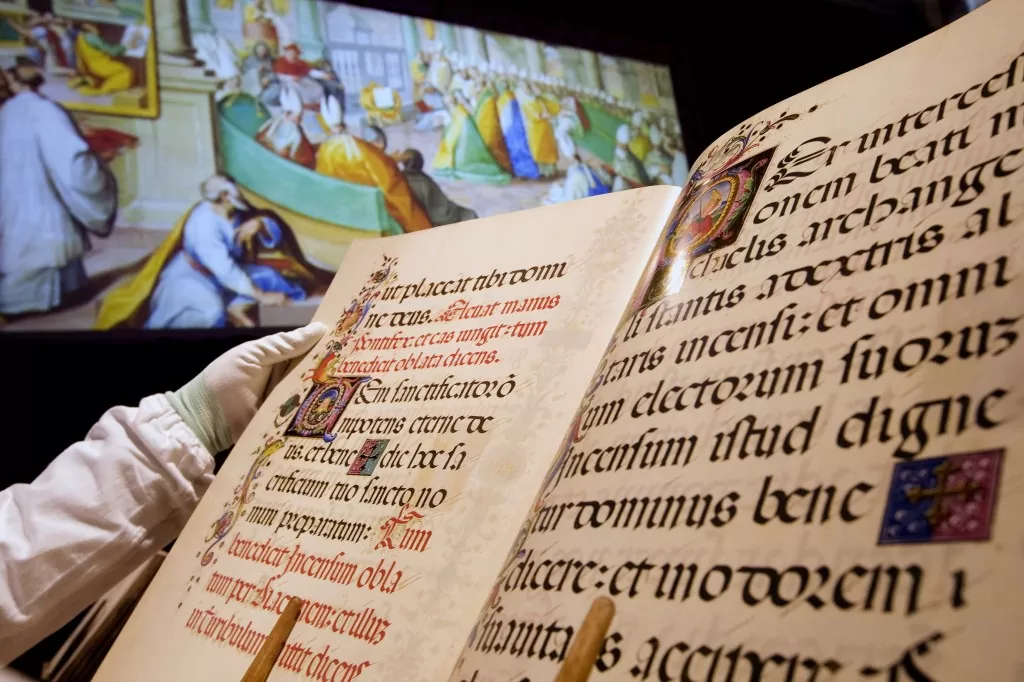
Rukopisi koji su stoljećima bili dostupni tek malom krugu istraživača u Vatikanu postupno postaju dostupni svima s internetskom vezom. Vatikanska apostolska knjižnica, jedna od najvažnijih istraživačkih zbirki na svijetu, ubrzano digitalizira svoje najvrjednije i najosjetljivije rukopise te ih objavljuje u visokoj rezoluciji putem platforme Digital Vatican Library. Time se mijenja način na koji se proučavaju tekstovi koji su oblikovali vjersku povijest, znanost i umjetnost.

Digitalizacija je ujedno odgovor na dugogodišnji paradoks: rukopisi su kulturno neprocjenjivi, ali fizički krhki. Svako rukovanje nosi rizik. Putovanje do Rima skupo je i zahtjevno, a pristup je tradicionalno bio strogo reguliran. Digitalne preslike ne zamjenjuju izvornike, no radikalno mijenjaju pitanje tko im može pristupiti, koliko često i u kojem opsegu.

Od humanista do interneta

Suvremeni identitet knjižnice oblikovan je u 15. stoljeću, u doba kada su pape okupljale humanističke zbirke kako bi potaknule znanstveni rad. Presudno proširenje veže se uz papu Nikolu V., koji je snažno zagovarao dostupnost rukopisa za proučavanje. Institucija je formalno utemeljena kasnije u istom stoljeću pod papom Sikstom IV., čime je postavljen temelj zbirci koja će se stoljećima širiti akvizicijama, katalogizacijom i sustavnom zaštitom.

Razmjeri su impresivni. Prema općeprihvaćenim podacima, knjižnica čuva više od 80.000 rukopisnih kodeksa te više od 1,6 milijuna tiskanih svezaka, uz značajne zbirke ranih tiskanih knjiga i drugih materijala, što potvrđuju i referentna djela poput Encyclopaedie Britannice. Ipak, veći dio te građe bio je dostupan isključivo istraživačima s preporukama, vremenom i sredstvima za boravak u Vatikanu.

Digitalizacija mijenja samu geometriju pristupa. Stručnjak može proučavati isti rukopis više puta bez fizičkog dodira. Student može uspoređivati stranice različitih kodeksa bez prelaska granica. Zainteresirani čitatelj može povećavati detalje pisma i iluminacija koji su nekoć bili skriveni iza administrativnih procedura.

Tehnologija protiv prolaznosti

Plan je ambiciozan: digitalizirati cijelu rukopisnu zbirku, približno 80.000 kodeksa, uz dugoročnu pohranu arhivskih datoteka i javno dostupnu digitalnu knjižnicu. Projekt je započeo početkom 2010-ih kao dugoročna inicijativa, uz izgradnju posebnih sustava za skeniranje i pohranu iznimno osjetljivih materijala.

Velika faza projekta formalizirana je 2014. partnerstvom s tvrtkom NTT DATA, s ciljem masovne digitalizacije i uspostave infrastrukture za trajnu digitalnu zaštitu. Tadašnja izvješća govorila su o približno 82.000 rukopisa, odnosno oko 41 milijun stranica koje treba obraditi tijekom više godina. Procjene iz 2014. navodile su da bi projekt mogao trajati najmanje 15 godina te stajati više od 63 milijuna američkih dolara, odnosno oko 50 milijuna eura prema tadašnjem tečaju.

Izazov nije tek fotografirati stranice. Rukopisi se razlikuju po veličini, uvezu, tintama, pigmentima i stanju papira ili pergamene. Mnogi su osjetljivi na svjetlo i pritisak. Zato proces uključuje specijalizirano rukovanje, kontrolirano osvjetljenje, prilagođene nosače i strogu radnu disciplinu. Digitalna platforma temelji se na Međunarodnom okviru za interoperabilnost slika, poznatom kao IIIF, koji omogućuje dubinsko povećavanje, stabilnu isporuku slika i jednostavniju uporabu u istraživačkim alatima.

Danas je na platformi dostupno više od 30.000 digitaliziranih rukopisa, a broj stalno raste. To znači da projekt više nije tek pilot-faza, nego trajna infrastruktura. Istodobno, razmjeri posla koji preostaje jasno pokazuju da je riječ o institucionalnom pothvatu koji se mjeri desetljećima.

Među najtraženijim djelima su temeljni biblijski i klasični tekstovi. Posebno se ističe Codex Vaticanus, grčki biblijski rukopis iz 4. stoljeća, jedan od najranijih opsežnih svjedoka teksta Biblije. Tu je i Vergilius Vaticanus, bogato ilustrirani rukopis Vergilijevih djela, koji se smatra rijetkim sačuvanim primjerom kasnoantičke knjižne umjetnosti. Zbirka obuhvaća i materijale povezane s velikim renesansnim imenima, uključujući bilješke i crteže Michelangela te zapise Galilea, što potvrđuje da digitalizirana građa daleko nadilazi teološke tekstove.

No trošak projekta nije samo u opremi i osoblju. Dugoročna digitalna pohrana zahtijeva stabilne formate, kontrolu integriteta podataka i višestruke sigurnosne kopije. Knjižnica istodobno razvija sustave zaštite od digitalnih prijetnji, svjesna da su digitalizirani rukopisi više od slika – oni su kulturna baština, reputacijski temelj i zajedničko istraživačko dobro.

Fizička knjižnica i dalje ostaje strogo kontroliran prostor. Digitalizacija ne pretvara istraživačku ustanovu u otvoreni arhiv bez pravila. Ona, međutim, pomiče granicu s nedostatka pristupa na nedostatak vremena i znanja. Umjesto putne karte, danas su presudni strpljenje, stručnost i sposobnost tumačenja složenih tekstova.

Smjer je jasan: zbirka građena stoljećima za potrebe učenjaka sada se uklapa u svakodnevnu infrastrukturu interneta. Time se otvara mogućnost da se rukopisi koji su nekoć bili nedostižni proučavaju, citiraju i ponovno otkrivaju iz bilo kojeg dijela svijeta – bez napuštanja radnog stola.
Ivan je novinar i autor koji piše o znanosti, svemiru i povijesti. Gostuje kao stručni sugovornik na Science Discovery i History Channelu te piše za Večernji list. Osnivač je Kozmos.hr, prvog hrvatskog portala posvećenog popularizaciji znanosti.

Podrži Kozmos.hr

Postani član i podrži nezavisno novinarstvo, i otključaj ekskluzivan sadržaj dostupan samo članovima.

Postani član »
Buy Me a Coffee članstvo
Članstvo Kozmos.hr

Pridruži se zajednici koja podržava neovisno novinarstvo.

Članci bez oglasa. Ekskluzivan sadržaj samo za članove. Sve stiže na tvoj e-mail i dostupno je u tvom Buy Me a Coffee profilu.

✓ Ekskluzivni članci i analize
✓ Čitanje bez oglasa
✓ Dostava na e-mail + pristup u Buy Me a Coffee
Postani član »
Podržavaš istraživačko pisanje i razvoj novih serijala.